
With the first modern travel advisory dating back to 1978 when the U.S. State Department tried sending out bulletin-style notices about countries commonly visited by Americans, this eventually evolved into a four-tier system in which a rating is assigned to all 193 governments and two non-member observer states recognized by the United Nations.
The first “exercise normal precautions” tier is given out to countries that are just as or in some cases safer to be in than the U.S. while level four’s “do not travel” is usually reserved for war zones, authoritarian governments and countries with which the United States otherwise lacks diplomatic relations.
While a change in advisory level is usually reserved for major outbreaks of violence or change in diplomatic relations, travel advisories for given travel destinations are periodically put out over everything from a spike in certain types of crime to disease outbreaks.
“Spike in violent criminal activity mainly carried out by members of organized criminal gangs”: Trinidad and Tobago under state of emergency
At the start of March, the U.S. Embassy in the Caribbean nation of Trinidad and Tobago put out such an advisory after the country’s government declared a nationwide state of emergency over “a spike in violent criminal activity, mainly carried out by members of organized criminal gangs.”
Recent incidents include a wave of carjacking, break-ins and armed robberies outside the most popular tourist areas.
“U.S. citizens in Trinidad and Tobago should expect an increased police and military presence,” the travel advisory reads further. “During the state of emergency, the […] the Trinidad and Tobago Police Service will have the authority to […suspend] bail provisions are for those suspected of committing a crime, arrest individuals on suspicion of involvement in illegal activities and search and enter public and private premises as necessary.”
Related: U.S. government warns against travel to a European country as Iran war edges in
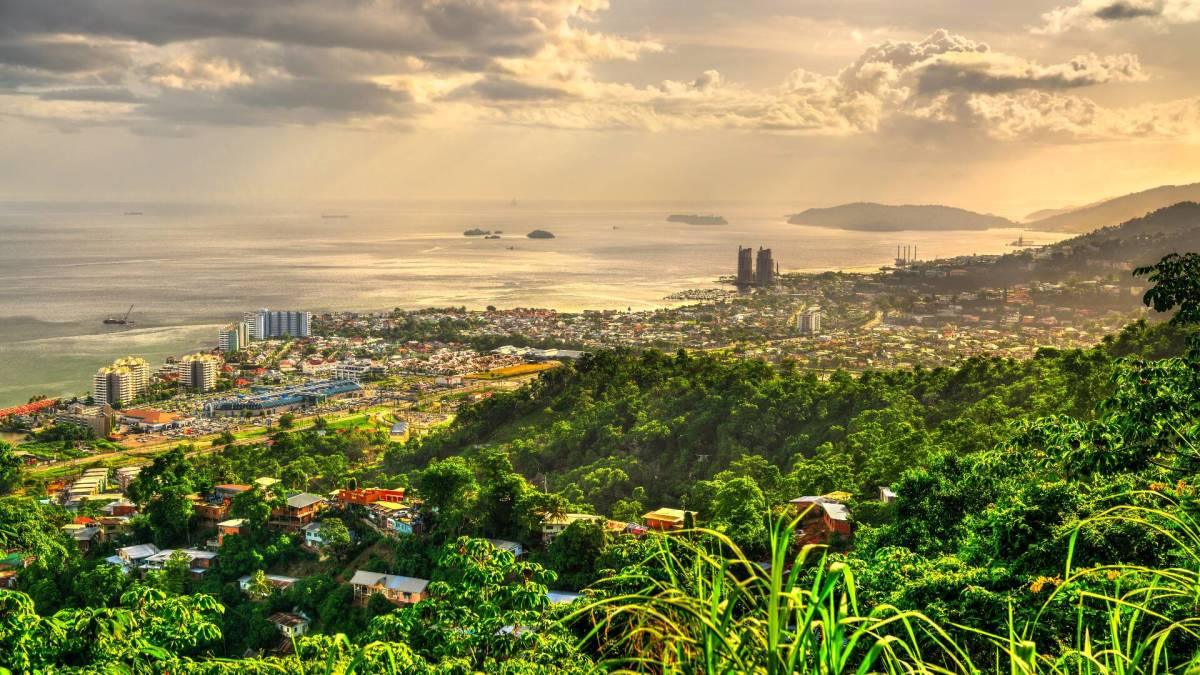
Trinidad and Tobago is a two-island nation located in the West Indies section of the Caribbean Sea just north off of the coast of Venezuela.
Shutterstock
What does the state of emergency mean for Trinidad and Tobago travel
Port of Spain, the central cruise port for the country in the Gulf of Paria, is a regular itinerary stop for major cruise lines like Royal Caribbean, Princess, Holland America and MSC. According to government statistics, the country welcomes approximately 30 million of both cruise and non-cruise international travelers every year.
More Travel News:
- Airline to launch unusual new flight to Cayman Islands from the U.S.
- Iranian strike hits major airport, injuries reported
- Unexpected country is most luxurious travel destination for 2026
- U.S. government issues sudden warning on Switzerland travel
As the country relies on tourism for the bulk of its economic growth, the state of emergency was declared by a government looking to come down hard on crime.
Cruises and flights into Trinidad and Tobago are for the time being unaffected as the local government wants to give off the impression of it being a safe destination that is doing what it can to address crime.
For travelers coming into Trinidad and Tobago, this could mean a random stop by police asking to produce documents or additional security checks around popular tourist destinations. The embassy advises travelers to the country to always carry proof of identity, cooperate with local authorities and follow local and international media about any potential developments.